In recent years, there has been a significant shift in how we approach wellness and recovery in Scotland. While traditional deep tissue massages have always been popular for muscle knots, many people are now turning their attention to a much more delicate but equally powerful treatment. If you have been feeling a bit sluggish, dealing with persistent bloating, or recovering from a surgical procedure, you might have heard people mentioning the benefits of a lymphatic drainage massage Glasgow residents are increasingly incorporating into their self-care routines.
The lymphatic system is often described as the body’s secondary circulatory system, but it rarely gets the same spotlight as the heart or lungs. It is essentially our internal waste disposal unit, responsible for filtering out toxins, excess fluid, and waste products. Unlike the blood, which has the heart to pump it around, the lymph fluid relies on muscle movement and breathing to stay in motion. When this system becomes sluggish or overwhelmed, it can lead to visible swelling, a heavy feeling in the limbs, and a general sense of being unwell.
What exactly happens during the treatment
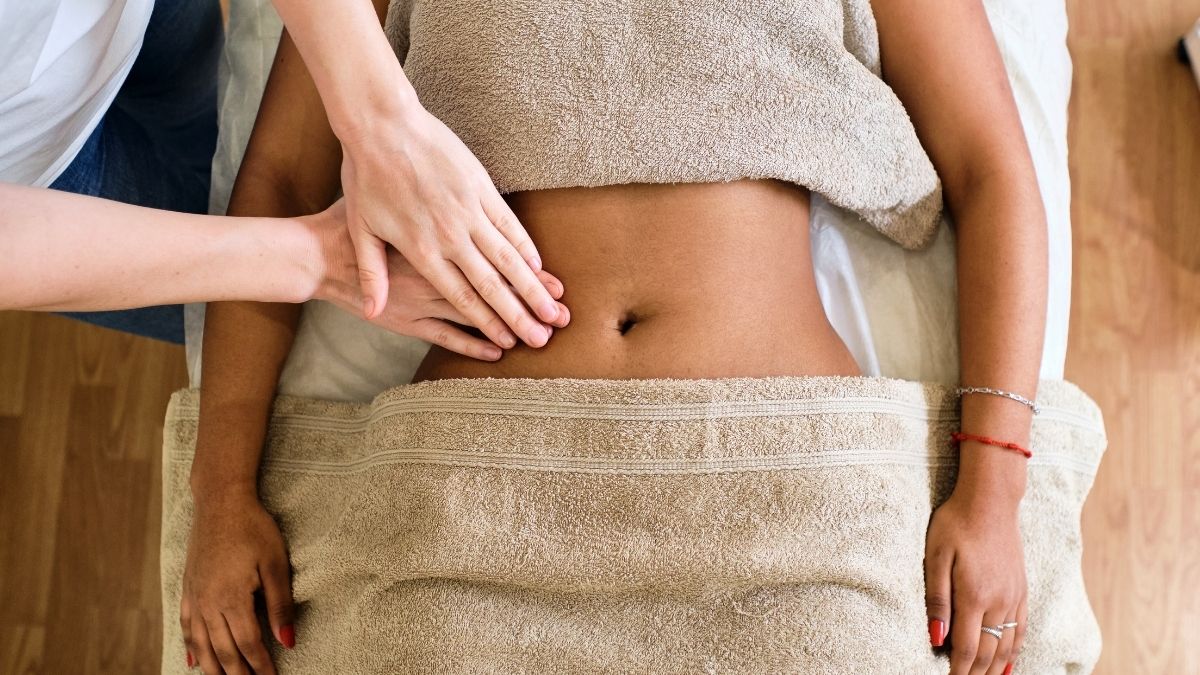
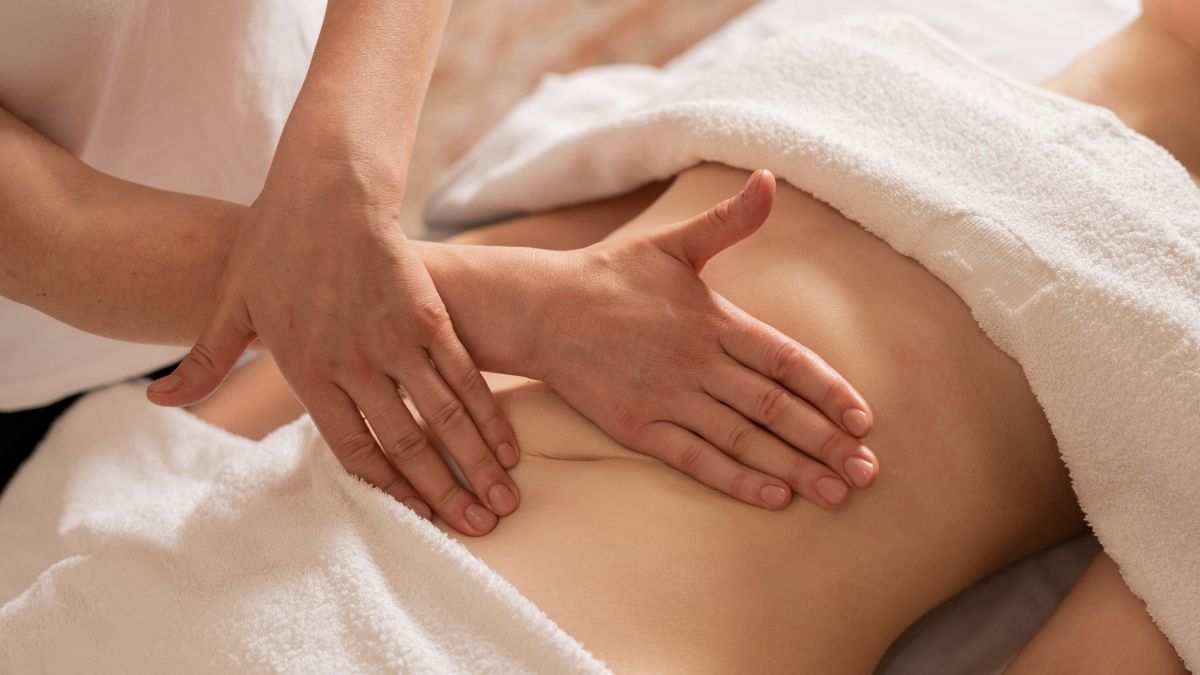
One of the most common misconceptions about this therapy is that it is a firm, high-pressure massage. In reality, it is quite the opposite. When you book a Lymphatic Drainage Massage Glasgow, you should expect incredibly light, rhythmic strokes. The lymphatic vessels are located just beneath the surface of the skin, so applying too much pressure actually collapses them, making the treatment less effective. A skilled therapist uses specific hand movements to gently stretch the skin and encourage the lymph fluid to move toward the lymph nodes, where it can be processed and eliminated.
The experience is often described as deeply relaxing. Because the movements are so gentle and repetitive, they tend to soothe the nervous system, taking you out of a ‘fight or flight’ state and into a ‘rest and digest’ state. This is why many people find they feel a bit sleepy during the session or experience a significant boost in their mood afterward. It is not just about moving fluid; it is about resetting the body’s internal environment.
Who can benefit from this specialised technique
While almost anyone can benefit from improved circulation, there are specific groups of people who find this treatment particularly transformative. It is not just a luxury spa treatment; for many, it is a vital part of their health management. Some of the most common reasons people seek out this therapy include:
- Post-operative recovery, especially after cosmetic procedures like liposuction or tummy tucks, where swelling is a major factor.
- Managing chronic conditions like lymphoedema or lipoedema which cause significant fluid retention.
- Reducing the feeling of heavy, tired legs after long periods of standing or sitting.
- Alleviating digestive issues and abdominal bloating that do not seem to respond to dietary changes.
- Supporting the immune system during periods of high stress or after a long illness.
- Improving skin health and reducing puffiness in the face and extremities.
The role of lymphatic drainage in surgical recovery
In the world of aesthetics and elective surgery, the importance of post-operative care cannot be overstated. Surgeons often recommend a course of lymphatic drainage to help manage the inflammatory response that follows a procedure. When the body undergoes trauma—even controlled trauma like surgery—it naturally sends fluid to the area to protect it. While this is a normal part of healing, excessive or prolonged swelling can actually slow down the recovery process and affect the final aesthetic result.
By gently encouraging the drainage of this fluid, the massage helps to reduce bruising, prevent the formation of hard scar tissue known as fibrosis, and ensure that the skin adheres properly to the underlying tissues. It is a specialised process that requires a delicate touch and a deep understanding of human anatomy, ensuring that the recovery period is as smooth and comfortable as possible.
What to look for in a Glasgow clinic
Because this is a specialised medical-grade therapy, it is important to choose a provider who understands the complexities of the lymphatic system. A standard beauty massage is not the same as a clinical lymphatic treatment. When searching for the right place for your session, consider the environment and the expertise of the practitioners. You want a setting that is clean, professional, and focused on clinical excellence rather than just superficial relaxation.
In a city like Glasgow, you have several options, but the best clinics will always start with a consultation. They will want to know about your medical history, any recent surgeries, and what your specific goals are. This ensures that the treatment is tailored to your body’s needs, whether that is focusing on a specific limb or providing a full-body systemic boost. The right practitioner will be able to explain exactly why they are using certain movements and what you can expect to feel in the days following your appointment.
Preparing for your session and aftercare
To get the most out of your treatment, there are a few things you can do before and after your appointment. The goal is to make it as easy as possible for your body to process the fluid that the therapist is moving. Preparation and aftercare are just as important as the massage itself for achieving long-lasting results.
- Hydration is key: Drink plenty of water both before and after your session. The lymph system needs water to flow effectively and to help flush out the toxins that have been mobilised.
- Avoid heavy meals: Try not to eat a large, heavy meal right before your appointment, as a lot of lymphatic work happens around the abdominal area.
- Wear comfortable clothing: You want to be able to relax, and tight clothing can sometimes restrict the very flow you are trying to encourage.
- Keep moving: After your session, gentle movement like a short walk around the West End or a local park can help keep the lymph moving. Avoid intense, high-impact exercise immediately afterward.
- Listen to your body: You might find you need to use the bathroom more frequently after a session, or you might feel a bit tired. This is a sign that your body is successfully processing the waste.
Why consistency matters for long term results
While many people notice an immediate difference after just one session—such as their clothes fitting more comfortably or a visible reduction in facial puffiness—the real magic happens with consistency. For chronic issues or post-surgical recovery, a series of treatments is usually recommended. This helps to ‘retrain’ the lymphatic system to function more efficiently on its own. Over time, the body becomes better at managing fluid balance, leading to sustained energy levels and a more contoured, less inflamed appearance.
Many clients choose to have a monthly maintenance session once they have reached their initial goals. This acts as a regular ‘service’ for the body, ensuring that the waste disposal system doesn’t get backed up again. In a busy city environment where we deal with pollution, processed foods, and high stress, giving the lymphatic system a bit of professional help can be a game-changer for overall health and vitality. It is an investment in how you feel every day, helping you move through life with a bit more lightness and ease.