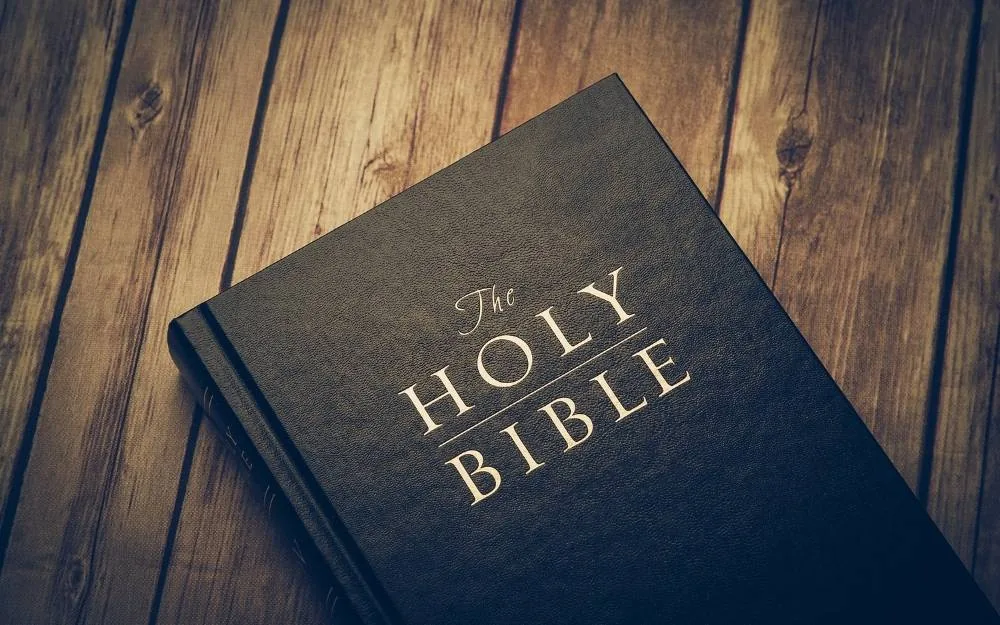
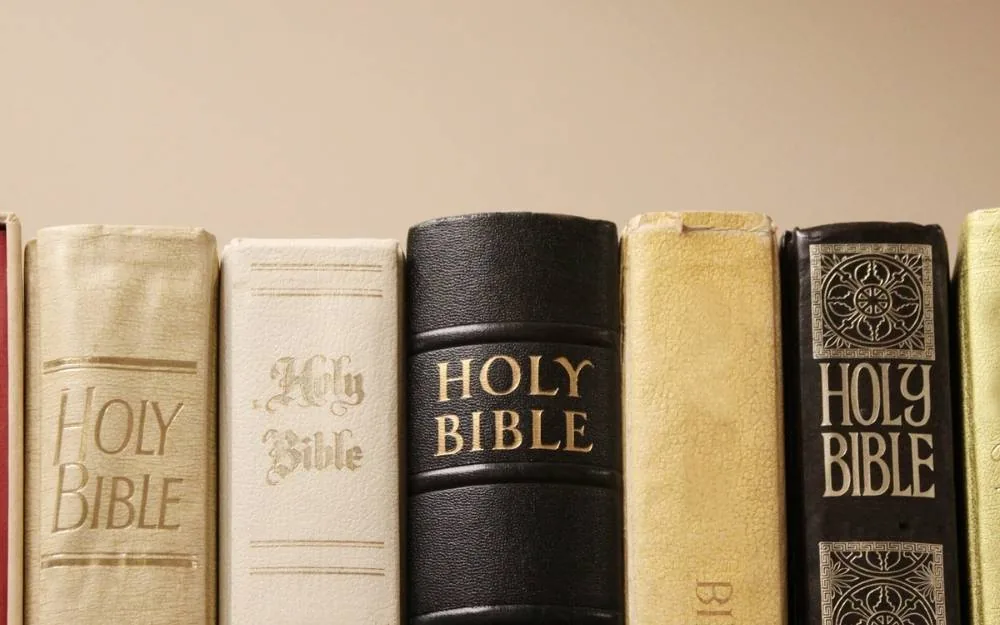
There is something remarkably special about holding a book that has already lived a full life before reaching your hands. This is particularly true when it comes to scripture. While a brand-new, shrink-wrapped edition has its own crisp appeal, many collectors and daily readers find themselves drawn to the character found in used bibles. It is not just about the cost savings, although that is certainly a benefit; it is about the history, the craftsmanship of certain eras, and the tactile experience that only comes with age.
When you pick up a pre-owned copy, you are often handling a piece of history. The leather may have softened to a buttery texture that modern mass-production struggles to replicate. The pages might have a slight creaminess that is easier on the eyes during long periods of study. For many, the search for the perfect edition leads them away from the high-street shops and towards the shelves of specialist booksellers who curate older, more substantial volumes.
The hidden stories in marginalia and notes
One of the most fascinating aspects of acquiring used bibles is the discovery of marginalia. To some, writing in a book is a travesty, but to the student of history, these marks are breadcrumbs of a spiritual journey. You might find a date next to a specific verse, a name written in the front cover in elegant fountain pen ink, or a pressed flower between the pages of the Psalms. These personal touches remind us that the text has been a source of comfort and guidance for someone else long before it arrived on our desk.
Of course, the level of previous use varies wildly. You can find copies that are virtually pristine, perhaps having sat on a shelf for decades, or you can find those that are 'well-loved' with heavy underlining. Each has its place. A clean copy is a blank canvas for your own notes, while a heavily annotated one can offer insights into how previous generations interpreted the text. It provides a sense of continuity and community that spans across years and even continents.
Why older bindings often stand the test of time
In the world of bookbinding, many enthusiasts argue that the quality of materials used in the mid-20th century often surpassed what is commonly available today at a similar price point. If you are looking for high-quality used bibles, you will likely encounter editions from publishers like Oxford, Cambridge, or Collins that feature genuine Morocco leather or high-grade goatskin. These materials were designed to last a lifetime, and often, they have barely begun to show their age.
The construction methods used in older volumes frequently included features that are now considered 'premium' or 'luxury' additions in modern editions. These include:
Smyth-sewn bindings that allow the book to lie flat on a table from the very first page.
Art-gilt edges, where the gold foil is applied over a red or blue dyed page edge, creating a beautiful shimmering effect.
Solid brass or high-quality silk ribbons that do not fray as easily as modern polyester versions.
Thicker, more opaque India paper that prevents 'ghosting' or the text from the reverse side showing through.
Finding out-of-print translations and layouts
The publishing world is constantly moving forward, which means many excellent translations and unique page layouts eventually go out of print. If you have a preference for a specific older revision of the King James Version, the Revised Standard Version, or perhaps a particular study bible that is no longer in production, the secondary market is your only recourse. Many people find that the way a page was typeset in the 1950s or 60s is much more readable than modern digital layouts.
Specialist collectors often seek out 'legacy' editions. These might be bibles produced for a specific anniversary or those that used a particular font that has since been retired. By focusing on used bibles, you open up a world of typographical history that simply does not exist in the 'new arrivals' section of a contemporary bookshop. It allows you to tailor your reading experience to your exact aesthetic and functional preferences.
The practicality of a 'beater' bible
While some people buy used copies for their rarity or beauty, others do so for purely practical reasons. There is a concept among book lovers known as the 'beater' bible. This is a copy that you aren't afraid to take on a camping trip, carry in a rucksack, or use in a busy coffee shop. Because it already has a bit of wear, you don't feel the need to protect it from every speck of dust or drop of rain.
Having a secondary, pre-owned copy for travel or rugged use ensures that your primary study bible remains in good condition at home. It is a liberating way to engage with the text. You can shove it into a pocket or leave it in the glove box of your car without the anxiety that comes with damaging an expensive new purchase. This utility makes the used market an essential resource for students, travellers, and those who live active lives.
What to look for when inspecting a used copy
If you are new to buying pre-owned books, there are a few key things to check to ensure you are getting a volume that will last. While a bit of wear adds character, structural integrity is vital. A book that is falling apart can be repaired, but it is often costly to do so. When browsing, keep an eye out for the following details:
The Spine: Check if the leather is cracking or if the internal 'hinge' is starting to pull away from the pages.
The Paper: Look for 'foxing,' which are those small brown age spots. While common in older books, you want to ensure the paper isn't becoming brittle.
The Binding: Gently open the book to the middle. If you can see the stitching, that is usually a sign of a high-quality sewn binding, which is a big plus.
Odour: Older books should smell like paper and leather. Avoid anything that has a strong scent of damp or mould, as this can spread to the rest of your library.
Buying from a reputable dealer who specialises in theological works or rare books can mitigate many of these risks. They will typically have already inspected the volume and will provide an honest description of its condition, noting any flaws so you know exactly what you are adding to your collection.
A sustainable and ethical choice
Finally, there is the environmental aspect to consider. In an age of 'fast fashion' and disposable goods, choosing to buy used bibles is a small but meaningful act of sustainability. It prevents perfectly good books from ending up in a landfill and reduces the demand for new paper and leather production. It is a way of honouring the resources that went into the book's original creation.
Furthermore, by purchasing from independent sellers and used bookstores, you are supporting a niche industry of bibliophiles and historians. These individuals often spend their lives preserving texts that might otherwise be forgotten. When you buy a used volume, you are participating in a cycle of stewardship, keeping the word in circulation and ensuring that these beautifully crafted objects continue to be used for the purpose they were intended for: to be read, studied, and cherished for generations to come.